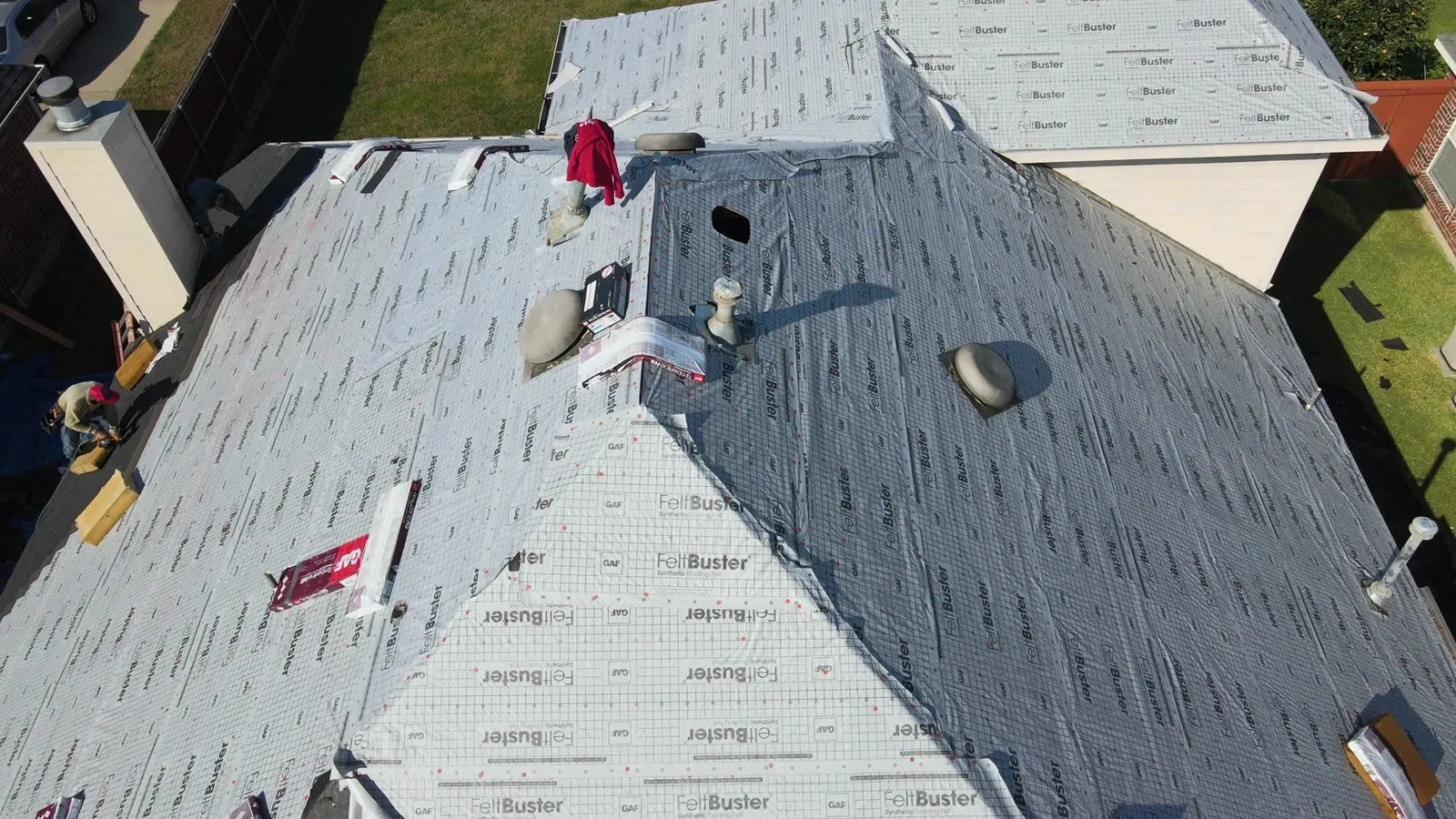
Hail & Storm Damage in North Texas: How to File a Roof Insurance Claim the Right Way
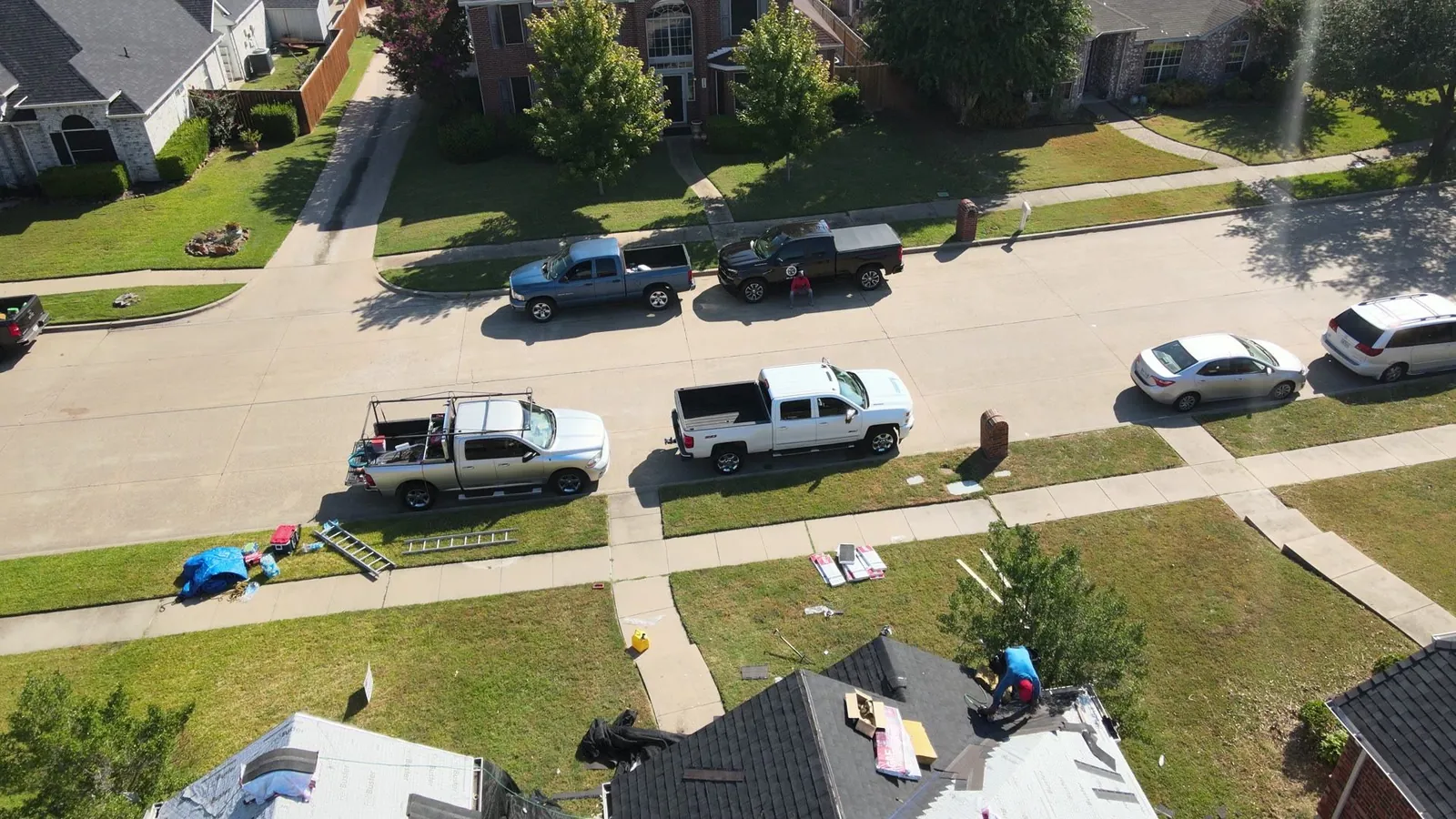
North Texas gets hammered by hail and straight-line winds nearly every spring and summer. If a storm just rolled through Garland, Rockwall, Plano or anywhere across DFW, your roof may have damage you can't see from the ground — and there's a right way and a wrong way to handle the insurance claim. Get it right and your insurer covers a new roof minus your deductible. Get it wrong and you can leave thousands on the table.
Step 1: Know what storm damage actually looks like
Hail damage isn't always obvious. Look for (or have a pro look for):
- Dark bruises or dents on shingles where granules have been knocked loose
- Granules collecting in gutters and downspouts
- Dented gutters, flashing, vents, or your A/C condenser fins (a great tell-tale)
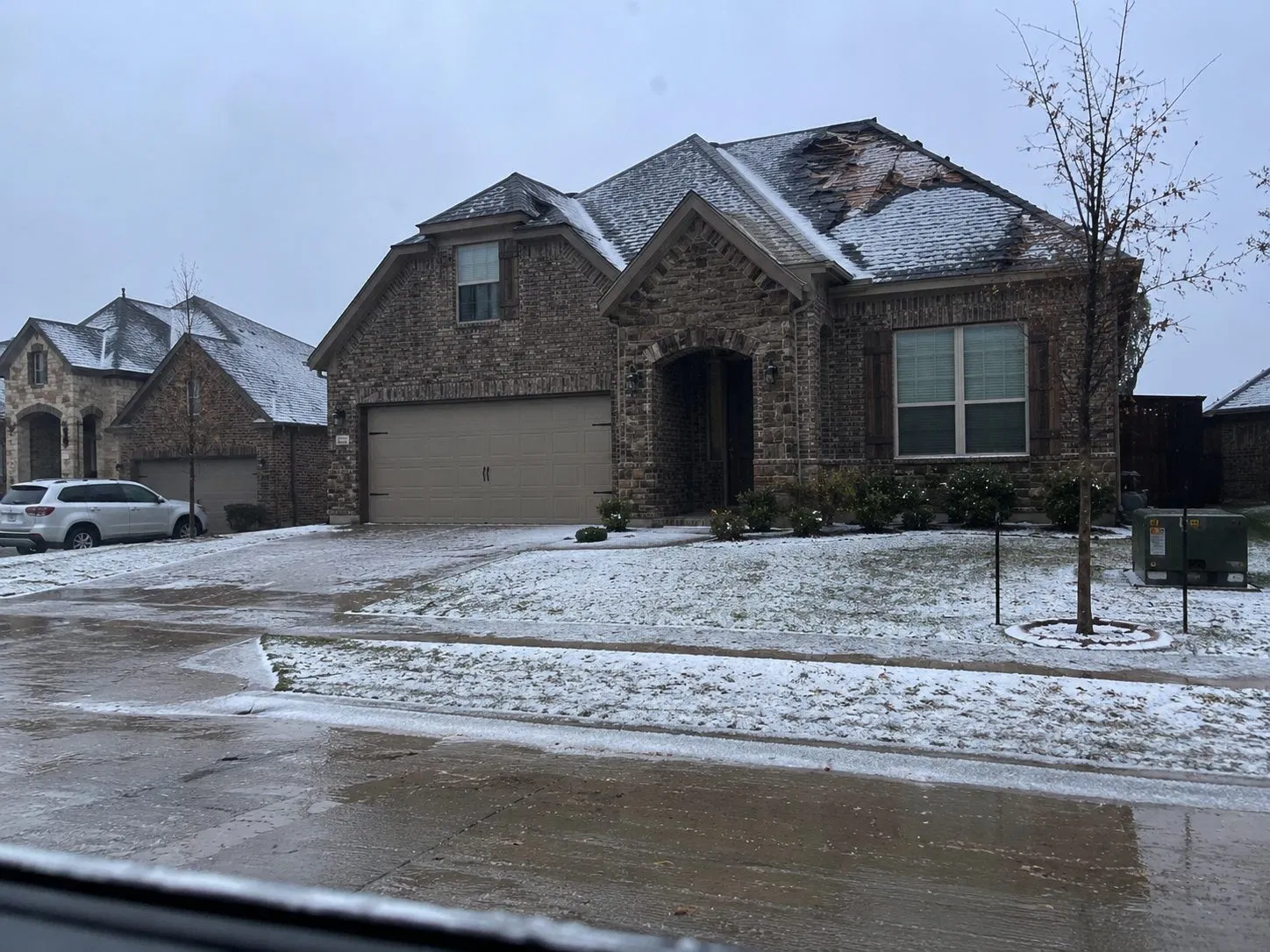
- Cracked, torn or missing shingles after high wind
- Soft spots or interior ceiling stains showing a leak has started
Step 2: Document everything before you file
Insurers pay on evidence. Before you call, get a dated inspection with clear photos of each damaged area, plus the storm date. A reputable roofer will provide a written scope of damage you can submit with the claim. This single step is the biggest predictor of a smooth, fully-paid claim.
Step 3: File within your claim window
In Texas, most policies require you to file within a set period after the date of loss — often one year, but many policies are shorter. Don't wait for a leak to appear. If a known hail event hit your area, get inspected within weeks, not months.
Step 4: Meet the adjuster with a roofer present
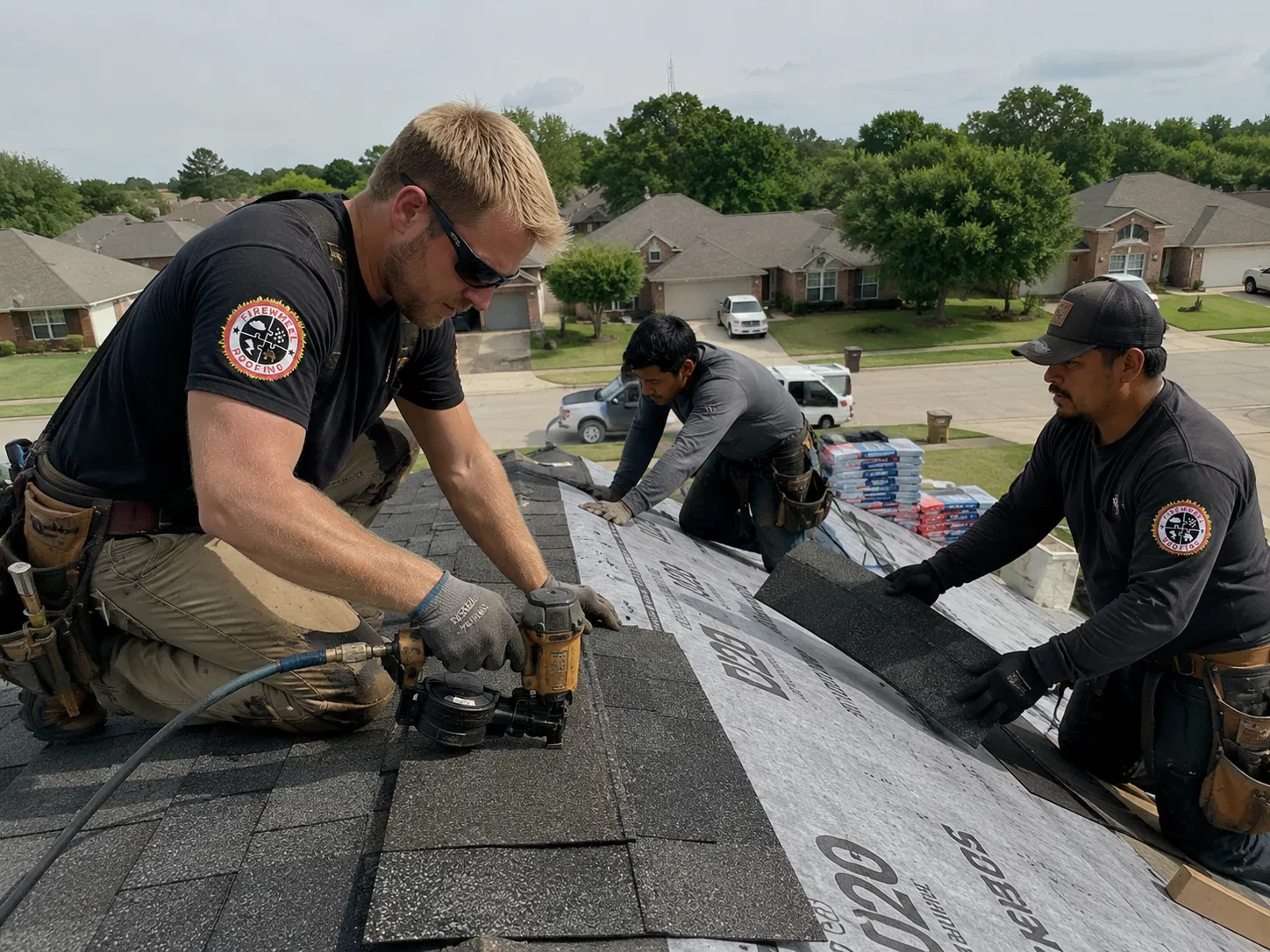
When the insurance adjuster comes out, having your roofing contractor there matters. Adjusters move fast and can miss damage. Your roofer speaks their language, points out every affected slope and detail, and makes sure the estimate reflects a full, code-compliant replacement — not a patch. Our team does this alongside homeowners on our insurance claims service.
Step 5: Understand your settlement
Most policies pay in two parts: the Actual Cash Value up front, then the withheld “recoverable depreciation” once the work is complete and invoiced. You pay your deductible; the insurer covers the rest of a covered claim. Be wary of any contractor who offers to “eat” or waive your deductible — that's illegal in Texas.
Common mistakes that get claims denied
- Waiting too long and missing the filing window
- Filing with no professional documentation
- Accepting a repair when the damage warrants a full replacement
- Choosing a storm-chaser out-of-town crew that's gone when you need warranty work
Firewheel Roofing is local, insured and here year-round. If a storm hit your home, start with a free inspection — book it here — and we'll tell you honestly whether you have a claim worth filing.
Frequently Asked Questions
How long do I have to file a roof storm-damage claim in Texas?
Most Texas homeowners policies require filing within a set period after the date of loss — commonly up to one year, though many policies are shorter. File as soon as possible after a known hail or wind event rather than waiting for a leak.
Can a roofer waive my insurance deductible?
No. Waiving or absorbing a homeowner's deductible is illegal in Texas. Any contractor offering to do so is a red flag. You are responsible for your deductible; the insurer covers the balance of a covered claim.
Should my roofer be there when the insurance adjuster inspects?
Yes. Having your roofing contractor present ensures every damaged slope, vent and flashing detail is documented and that the estimate reflects a full, code-compliant replacement rather than a partial patch.
Keep reading
Get a Free Roof Inspection
Straight answers, no pressure. Serving Garland, Dallas & all of DFW.
Get My Free Estimate → 📞 (469) 387-3848