Fall Roof Maintenance Checklist for North Texas Homeowners
Fall is the best time of year to get a North Texas roof ready for what comes next. Summer heat is behind you, spring hail damage may still be hiding in plain sight, and a hard freeze or ice storm can arrive with only a few days' notice. This checklist covers what to look at, what you can do yourself, and when to call a roofer.
Why fall prep matters in North Texas
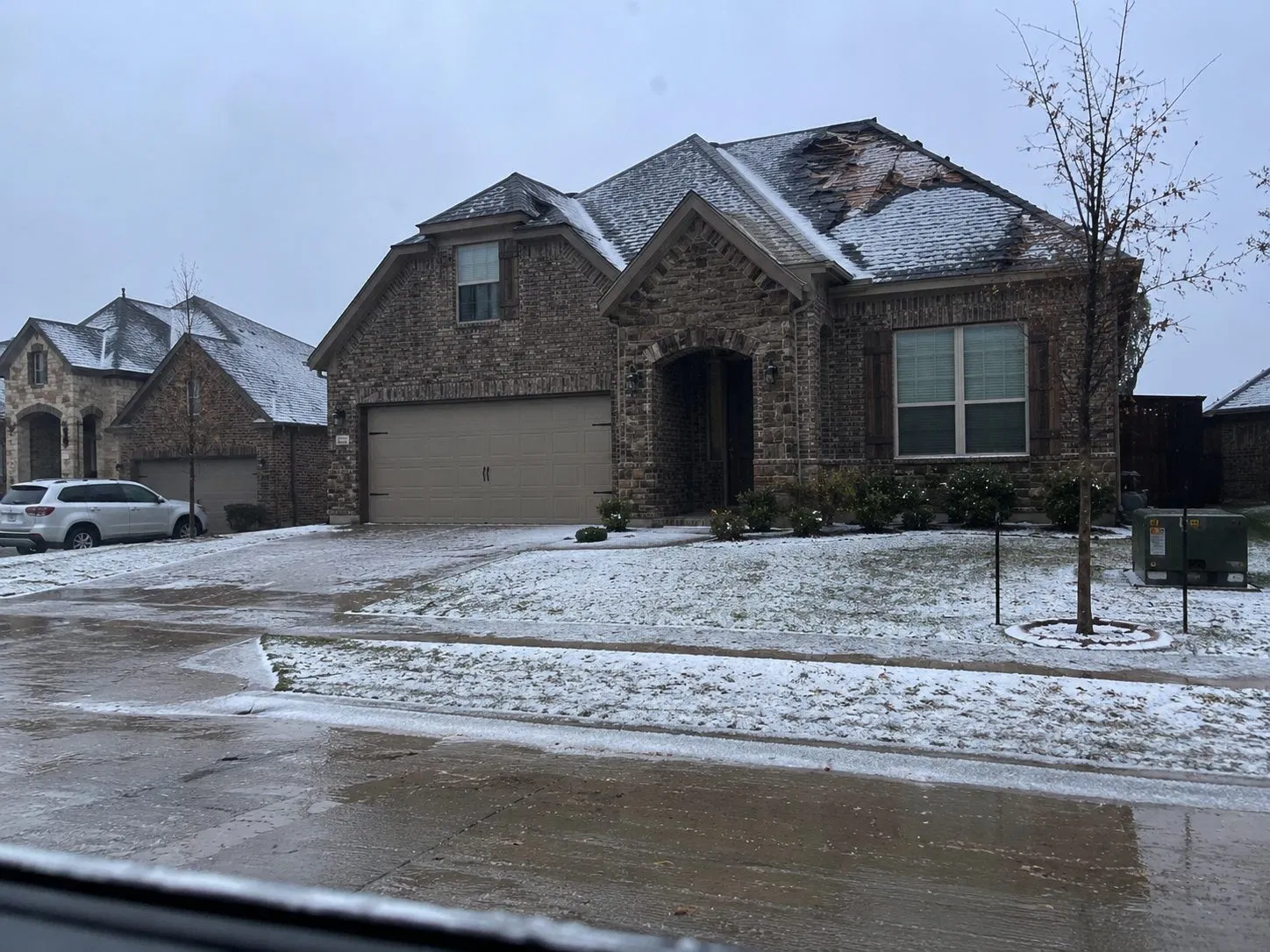
DFW winters are usually mild, which makes them easy to underestimate. When severe cold does arrive, roofs, gutters and attics take the hit. During the February 2021 winter storm, often called Winter Storm Uri, the National Weather Service recorded a low of -2°F at DFW Airport and 139 hours below freezing. Freezing rain, sleet and snow built up on roofs and trees across the region.
Events like that are rare, but smaller freezes and ice storms happen most winters. A roof that is clean, sealed and well ventilated handles them much better than one with clogged gutters, worn flashing and loose shingles.
Quick checklist:
- Clean gutters and downspouts
- Inspect shingles for summer and storm damage
- Check flashing, vents and pipe boots
- Look in the attic for leaks and ventilation problems
- Trim overhanging trees
- Plan for freeze and ice events
1. Clean gutters and downspouts
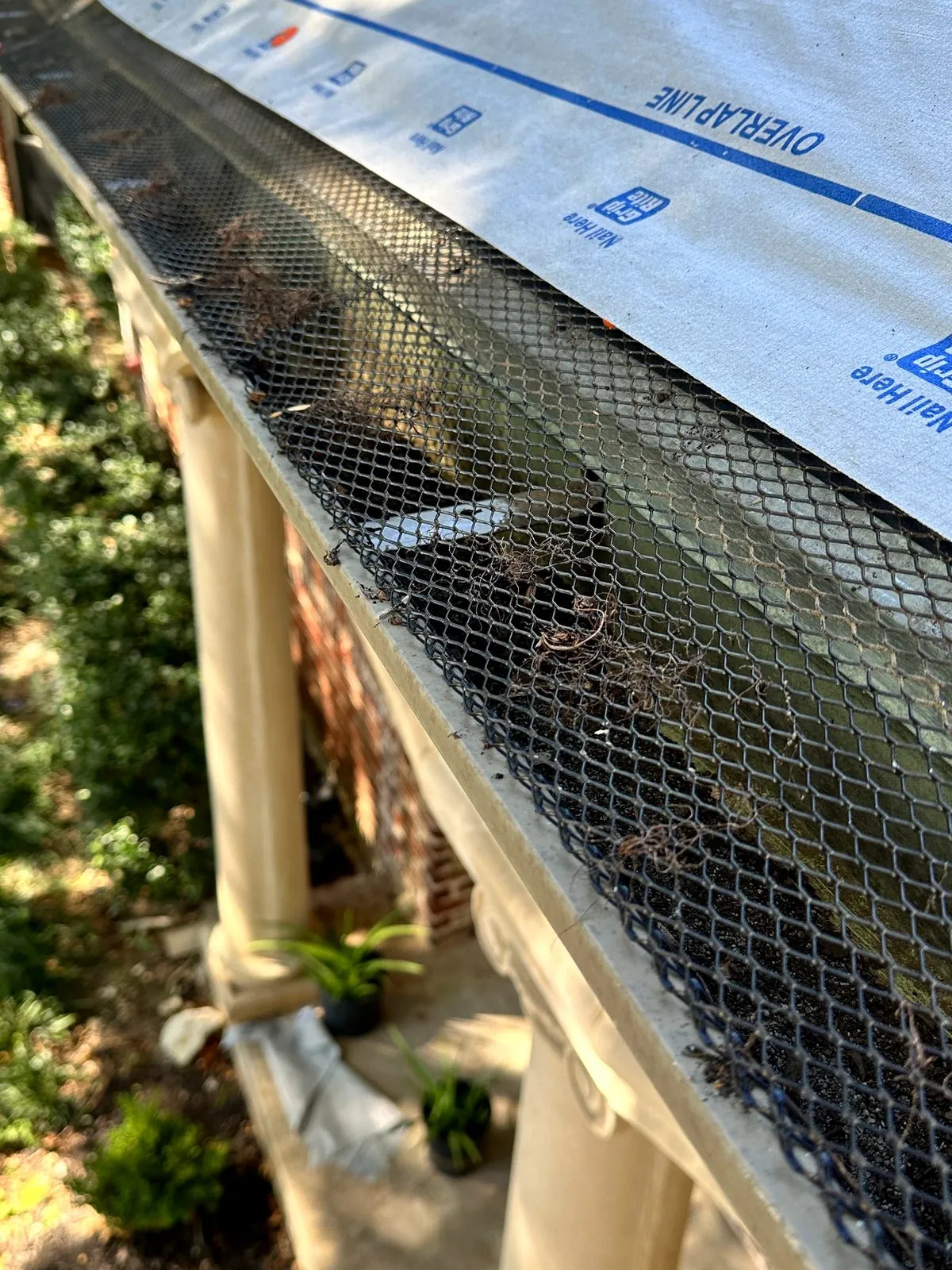
Leaves from oaks, pecans, elms and other common DFW trees start filling gutters in October and keep falling into December. Clogged gutters overflow, push water back under the roof edge, and soak the fascia and soffit. In a freeze, standing water in a clogged gutter can turn to ice, adding weight that pulls gutters away from the house.
- Clear gutters after most leaves have fallen, and again after windy storms if needed.
- Flush downspouts with a hose to make sure water runs freely.
- Make sure downspouts discharge several feet away from your foundation.
- Look for sagging sections, loose hangers and leaking seams.
If you clean the same gutters every few weeks each fall, guards may be worth a look. See our gutter services page for replacement and guard options. Gutters typically run $800 to $3,000 depending on the home.
2. Inspect shingles for summer and storm damage
North Texas summers bake asphalt shingles, and spring hail can leave damage that does not leak right away. From the ground, using binoculars if you have them, look for:
- Missing, cracked or lifted shingles, especially along ridges and edges
- Curling or cupping shingles
- Bare spots or heavy granule buildup in gutters and at downspout outlets
- Dark streaks or areas that look different from the rest of the roof
If you see any of these, or if your area had hail this year and nobody has looked at your roof, schedule an inspection. Our guide to the signs you need a new roof explains what each problem usually means. Avoid walking on the roof yourself, especially on steep pitches or when shingles are wet.
3. Check flashing, vents and pipe boots
Most roof leaks start where something passes through or meets the roof, not in the middle of the shingles. Heat and sun break down sealants and rubber over time.
- Pipe boots: the rubber collars around plumbing vents crack and split in Texas heat and are one of the most common leak sources.
- Step and wall flashing: check where the roof meets walls, dormers and second stories.
- Chimneys and skylights: look for gaps, rust or failing sealant around the flashing.
- Roof vents and exhaust caps: make sure they are secure and not dented or cracked by hail.
These are usually small, affordable fixes when caught early. Our roof repair work starts at $300.
4. Look in the attic
Your attic tells you things the outside of the roof cannot. On a bright day, go up with a flashlight and check for water stains on the decking or rafters, damp or compressed insulation, daylight around penetrations, and signs of pests.
Ventilation matters in winter, not just summer. The U.S. Department of Energy's guide to durable attics notes that moisture trapped in an attic can warp and damage the roof and ruin insulation. Its recommendations include:
- Pairing soffit vents at the eaves with ridge vents at the top for continuous airflow
- Making sure insulation does not block soffit vents
- Air sealing gaps around ducts, wiring, plumbing and light fixtures so warm, humid indoor air does not reach the attic
- Venting bathroom fans, dryers and range hoods outside, never into the attic
During a cold snap, warm indoor air leaking into a cold attic can condense on the underside of the roof deck. If you see frost, dripping nails or damp decking in winter, ventilation or air sealing likely needs attention.
5. Trim overhanging trees
Trees are one of the biggest roof risks in DFW neighborhoods. Branches that rub against shingles wear them down, shade keeps parts of the roof damp, and leaves pile up in valleys. TDI recommends removing overhanging limbs as part of normal roof maintenance.
Ice makes this more urgent. Freezing rain coats branches and adds a lot of weight, and limbs that hang over the roof can snap and puncture it. Trim branches back several feet from the roofline before winter. For large trees or any limbs near power lines, hire a professional tree service.
While you are looking up, check for dead or leaning trees within falling distance of the house. A tree that comes down in an ice storm or a strong north wind can do far more damage than a single broken branch. If a tree has dead limbs, cracks in the trunk or a lean that has gotten worse, have an arborist evaluate it before winter weather arrives. Removing a risky tree in the fall usually costs much less than repairing a roof, ceiling and gutters after it falls.
6. Plan for freeze and ice events
You cannot stop an ice storm, but you can limit the damage:
- Get repairs done in the fall, before cold weather makes roofing work harder to schedule.
- Do not climb on an icy roof or try to chip ice off shingles. You can damage the roof and risk a serious fall.
- Insulate any water lines that run through the attic. Burst attic pipes cause leaks that can look like roof leaks.
- After the thaw, check ceilings, the attic and gutters for new stains, drips or sagging.
- Photograph any damage right away and contact your insurer if it looks significant.
If a winter storm does damage your roof, our storm damage page explains next steps.
Schedule a fall roof inspection
A professional inspection catches small problems before winter turns them into leaks. Firewheel Roofing is a military-family owned roofing contractor based in Garland, serving homeowners across Dallas-Fort Worth since 2014. We can check your shingles, flashing, gutters and attic ventilation and tell you plainly what needs attention now and what can wait.
Call (469) 387-3848 or request a free estimate to book your fall inspection.
Frequently Asked Questions
When should I clean my gutters in North Texas?
Late fall, after most leaves have dropped, is the most important cleaning. Many DFW homes with large oaks or pecans need a second cleaning in December. Also check gutters after windy storms, and make sure downspouts flow freely and discharge several feet from your foundation before freezing weather arrives.
Do I need a roof inspection every fall?
Not every roof needs a professional inspection every year, but fall is a good time for one if your roof is older, your area had hail this year, or you have noticed stains, granule loss or missing shingles. Catching small issues before winter is usually cheaper than repairing leaks afterward.
Should I remove ice from my roof during a freeze?
No. Climbing on an icy roof is dangerous, and chipping or scraping ice can damage shingles. In North Texas, ice usually melts within a few days. Focus on keeping gutters clear beforehand, then check your attic and ceilings for leaks after the thaw and photograph any damage.
How does attic ventilation affect my roof in winter?
Good ventilation and air sealing keep moisture from building up in the attic. When warm, humid indoor air reaches a cold roof deck, it can condense and cause damp decking, mold and damaged insulation. Soffit and ridge vents, clear eaves and sealed gaps help keep the attic dry year round.
Keep reading
Get a Free Roof Inspection
Straight answers, no pressure. Serving Garland, Dallas & all of DFW.
Get My Free Estimate → 📞 (469) 387-3848