How Long Does a Roof Last in Texas? Lifespan by Material
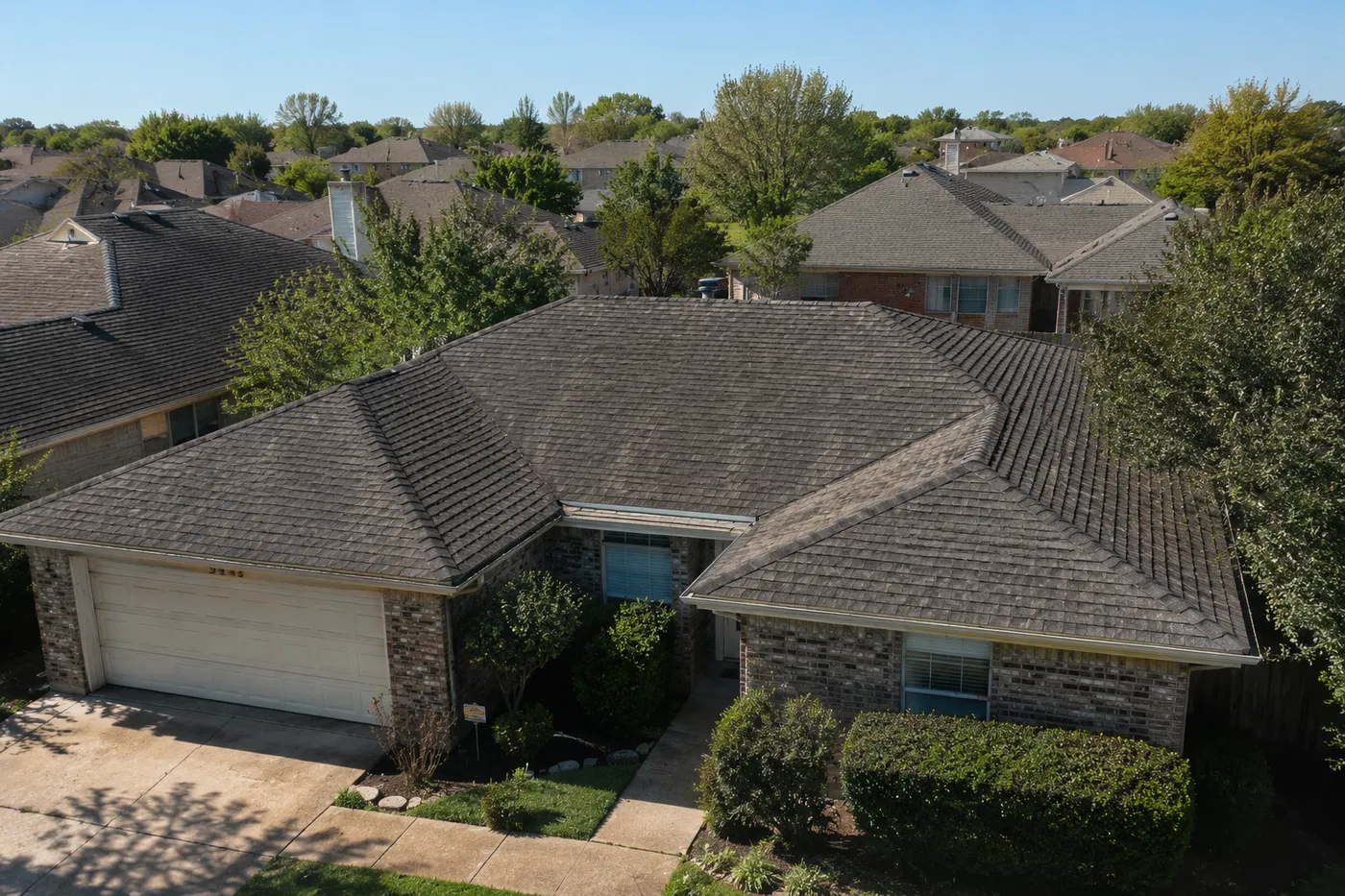
How long a roof lasts depends on what it is made of, how well it was installed, and what the weather throws at it. In Texas, the weather is the part that wears roofs out fastest. Here is what to expect from each common roofing material, what shortens roof life in DFW, and how to tell when it is time to replace.
Roof lifespan by material
The figures below come from InterNACHI's Standard Estimated Life Expectancy Chart, a reference used widely by home inspectors. Treat them as estimates under good conditions. InterNACHI itself notes that local weather, design, material quality and maintenance all affect how long a roof lasts, and that hot climates and severe weather can shorten it.
- 3-tab asphalt shingles: about 20 years. The flat, single-layer shingle found on many older DFW homes. Lighter and thinner than architectural shingles, and generally less resistant to wind and hail.
- Architectural asphalt shingles: about 30 years. The most common choice on DFW homes today. Thicker, laminated layers give them a dimensional look and better durability than 3-tab.
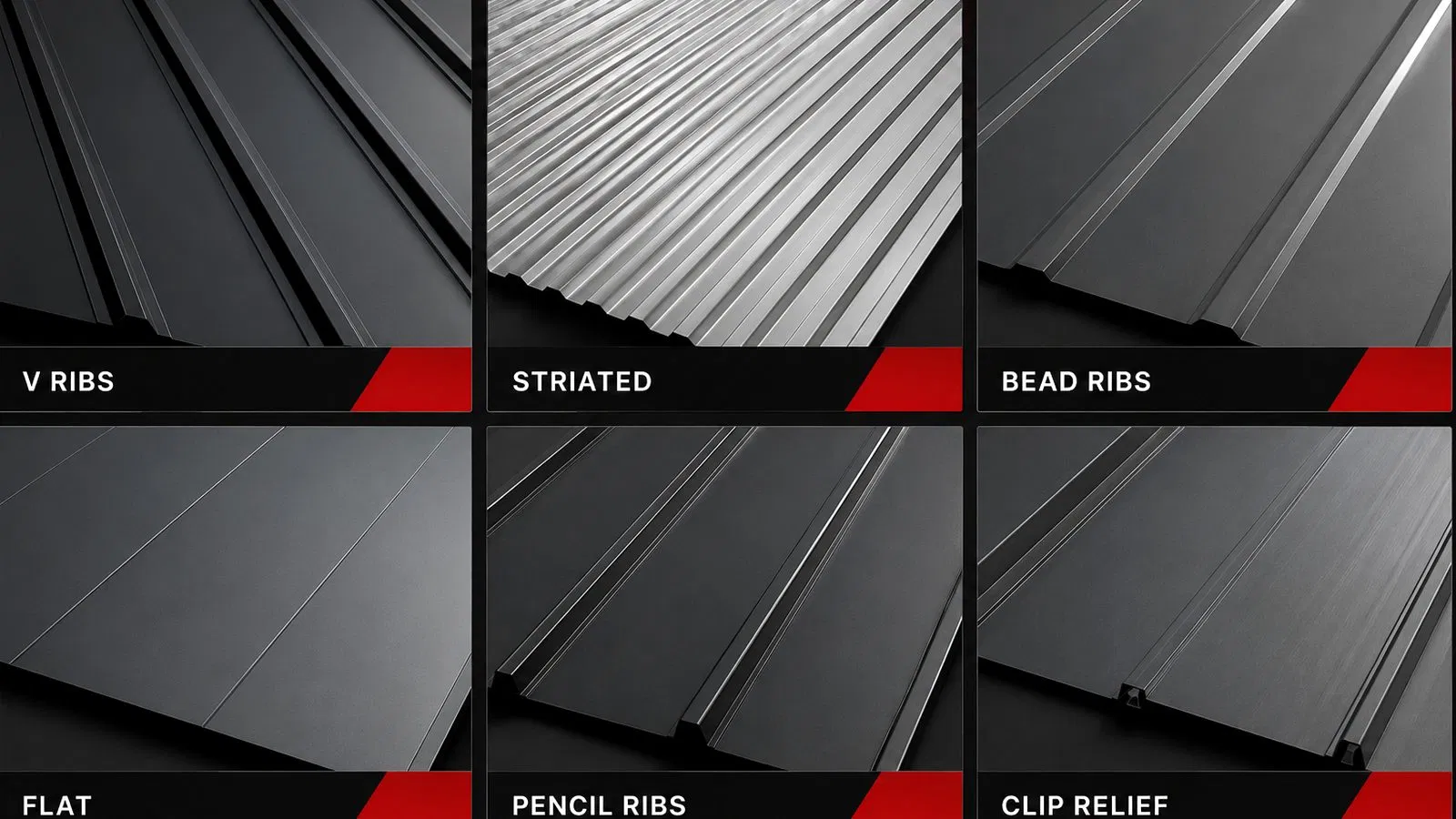
- Metal roofing: 40 to 80 years. Steel and aluminum panels hold up to heat and many hail impacts well, though large hail can dent them. Painted finishes and fasteners on exposed-fastener panels need periodic attention.
- Clay and concrete tile: 100+ years for the tile itself. The tiles are extremely durable, but the underlayment beneath them wears out much sooner and may need replacing long before the tile does. Tile is also heavy and can crack under impact or foot traffic.
- TPO: 7 to 20 years. A single-ply membrane used on low-slope and flat roofs, common on commercial buildings and on flat sections of some homes. Quality of the seams and installation makes a big difference.
If you are choosing a new roof and want to compare these options side by side, our roof types page covers the materials we install and where each one fits.
What shortens a roof's life in DFW
A roof in North Texas deals with a tougher mix of conditions than the same roof in a mild climate. These are the biggest factors.
Heat
The U.S. Department of Energy notes that conventional roofs can reach 150°F or more on a sunny summer afternoon. For asphalt shingles, that heat speeds up the drying and aging of the asphalt, which makes shingles brittle over time. Dark roofs absorb more heat than light or reflective ones.
UV exposure
The granules on asphalt shingles protect the asphalt underneath from sunlight. As granules wear off through age, storms and runoff, UV breaks the asphalt down faster. Bare or balding patches are a sign a shingle roof is nearing the end.
Hail and wind
Hail is the leading roof killer in North Texas. According to the Insurance Information Institute, Texas led the nation in major hail events for the 11th consecutive year in 2025. Hail can crack shingles, knock off granules and bruise the mat underneath, sometimes without obvious damage from the ground. Spring storms also bring high winds that lift and tear shingles. After any significant storm, see our storm damage page for what to check.
Poor attic ventilation
Without enough intake and exhaust ventilation, attic heat builds up and bakes the roof deck and shingles from below. Poor ventilation can also lead to moisture problems in cooler months. Many shingle manufacturers require proper ventilation as a condition of their warranty.
Daily temperature swings and installation quality
Big swings between hot afternoons and cooler nights make roofing materials expand and contract, which stresses fasteners, seams and flashing. Installation details matter too. Incorrect nailing, poor flashing around chimneys and walls, and skipped underlayment steps can cut years off any roof.
How to extend your roof's life
You cannot control the weather, but you can make your roof last closer to its full estimate.
- Get an inspection after major storms. Small hail or wind damage that goes unnoticed can turn into leaks and decking rot later. An inspection also documents damage while it is fresh, which helps with insurance.
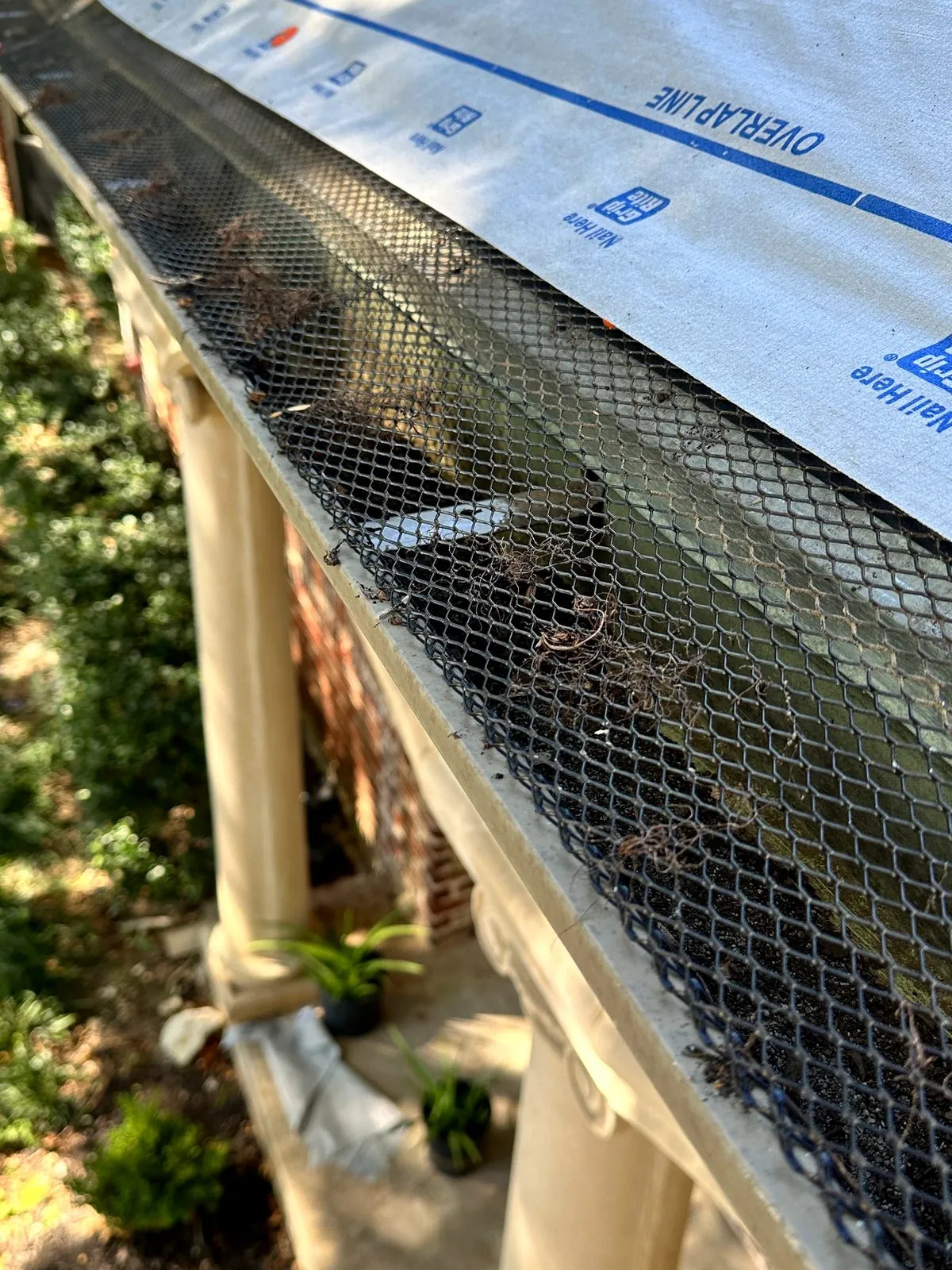
- Keep gutters clean and working. Clogged gutters back water up under the roof edge and rot fascia and decking. Gutter guards can cut down on cleanup. See our gutter services.
- Trim overhanging trees. Branches scrape shingles, drop debris that holds moisture, and can fall during storms.
- Fix small problems early. A lifted shingle, cracked pipe boot or loose flashing is an inexpensive fix today and an expensive leak later. Professional roof repair starts from $300.
- Improve ventilation when you can. Adding intake or ridge ventilation reduces heat stress on the roof and can make the house more comfortable.
- Stay off the roof and skip the pressure washer. Walking on shingles and high-pressure washing both strip away granules.
Choosing a new roof? Lighter or cool-rated colors absorb less heat, and products rated Class 4 under UL 2218 offer the highest impact rating. The Texas Department of Insurance says some insurers offer discounts for impact-resistant roofing, so ask your agent before you choose.
Repair or replace?
Repair usually makes sense when the damage is limited to a small area and the rest of the roof still has plenty of life. Replacement makes more sense when problems are widespread, when the roof is near or past its expected lifespan, or when repeated repairs are adding up. If a roof is near the end of its expected life, money spent on major repairs may be better put toward a replacement, since the rest of the roof will soon need work anyway.
When it is time to replace
Age alone does not decide it, but these signs suggest your roof is near the end:
- Shingles that are curling, cracking or missing.
- Heavy granule loss, with granules collecting in gutters or bare spots on the shingles.
- Sagging areas or soft spots in the decking.
- Recurring leaks or water stains on ceilings.
- Hail damage across multiple slopes.
- A shingle roof that is close to or past the age ranges above.
For a closer look with photos and examples, read our guide to the signs you need a new roof in DFW.
Roof age can also affect your insurance. Some Texas policies pay less for older roofs, for example by covering actual cash value rather than full replacement cost once a roof reaches a certain age. Review your policy or ask your agent how roof age affects your coverage.
Find out how much life your roof has left
The only way to know where your roof really stands is an inspection. Firewheel Roofing can check your shingles, flashing, ventilation and decking, and tell you honestly whether a repair will do or a replacement makes more sense. Request a free estimate or call (469) 387-3848.
Frequently Asked Questions
How long does an asphalt shingle roof last in Texas?
InterNACHI estimates about 20 years for 3-tab shingles and about 30 years for architectural shingles under good conditions. In North Texas, heat, UV exposure, hail and poor attic ventilation can shorten those numbers, so regular inspections are the best way to know how much life your roof has left.
Does a metal roof really last longer in DFW?
Generally, yes. InterNACHI estimates metal roofing lasts 40 to 80 years, well beyond asphalt shingles. Metal handles heat well and many panels carry a Class 4 impact rating, though large hail can still dent them. Painted finishes and exposed fasteners need occasional checks to reach the long end of that range.
What shortens a roof's life the most in North Texas?
Hail and heat are the biggest factors. Texas led the nation in major hail events again in 2025, according to the Insurance Information Institute, and summer roof temperatures can top 150°F. Poor attic ventilation, clogged gutters, overhanging trees and installation shortcuts also wear roofs out faster.
How often should I have my roof inspected in DFW?
A good habit is an inspection once a year and after any major hail or wind storm. Storm damage is not always visible from the ground, and catching it early helps prevent leaks and decking rot. Documenting damage soon after a storm can also make an insurance claim easier.
Keep reading
Get a Free Roof Inspection
Straight answers, no pressure. Serving Garland, Dallas & all of DFW.
Get My Free Estimate → 📞 (469) 387-3848