Metal vs. Architectural Shingle Roofs: Which Handles DFW Heat and Hail Better?
If you are replacing a roof in Dallas-Fort Worth, the decision usually comes down to architectural asphalt shingles or metal. Both can work well in North Texas, but they behave very differently in 100-degree summers and spring hail. Here is how they compare on the questions DFW homeowners ask most.
The short answer
Architectural shingles cost less up front, come in colors that suit nearly every neighborhood, and are the easiest material to get approved by an HOA. Metal costs more, lasts longer, reflects more heat when you choose a light or cool-rated finish, and is widely available with a Class 4 impact rating.
For a typical DFW home, our replacement ranges are $8,000 to $15,000 for architectural shingles and $14,000 to $28,000 for metal. Your exact number depends on roof size, pitch, the number of layers being torn off, and decking repairs. You can get a ballpark for your own house with our roof cost calculator.
How each roof handles Texas heat
A dark roof in a DFW summer is a heat collector. The U.S. Department of Energy notes that conventional roofs can reach 150°F or more on a sunny afternoon, while a reflective "cool" roof can stay more than 50°F cooler under the same sun. Less heat on the roof surface means less heat soaking into the attic and less work for your air conditioner.
Metal has an advantage here, but only with the right finish. The DOE points out that unpainted metal is a poor thermal emitter and can actually run hotter than painted metal with similar reflectance. For a cool metal roof, look for factory-applied paint in a light or cool-pigment color. Many manufacturers publish solar reflectance and thermal emittance ratings from the Cool Roof Rating Council, which makes comparing products easier.
Shingles are not stuck being hot. Several manufacturers make shingles with reflective granules, and lighter colors absorb less heat than charcoal or black. They will not match a white or light-gray metal roof, but they can narrow the gap.
Ventilation matters for both
Whatever you choose, attic ventilation does a lot of the heavy lifting. Balanced intake at the soffits and exhaust near the ridge lets hot air escape instead of baking the roof deck from underneath. A new roof is the best time to fix ventilation problems, and it is worth asking any contractor how they plan to handle it.
Hail: impact ratings, dents and insurance
Hail is the bigger threat in North Texas. According to the Insurance Information Institute, Texas led the nation in major hail events for the 11th straight year in 2025. That makes impact resistance a practical question, not a marketing one.
Roofing products are tested under UL 2218, which classifies impact resistance from Class 1 to Class 4, with Class 4 being the toughest. Many metal panels carry a Class 4 rating. Standard architectural shingles usually do not, but impact-resistant shingle lines rated Class 4 are available at a higher price than standard shingles.
Keep in mind that "impact resistant" does not mean "dent proof." Large hail can leave cosmetic dents in metal panels even when the roof still keeps water out. Some Texas policies limit or exclude coverage for cosmetic damage to metal roofs, so read that part of your policy carefully.
Call your insurance agent before you choose. The Texas Department of Insurance says insurers may offer discounts for impact-resistant roofing, but discounts are not required and each company sets its own amounts and paperwork. Ask whether your carrier offers a Class 4 credit, what proof they need, and whether your policy has a cosmetic damage exclusion.
If your current roof already has storm damage, start with our storm damage page before you pick a replacement material.
Lifespan and noise
How long each lasts in DFW
InterNACHI's life expectancy chart lists architectural asphalt shingles at about 30 years and metal roofing at 40 to 80 years. Those are estimates under good conditions. In DFW, intense UV, long stretches of high heat, poor attic ventilation and repeated hail tend to pull real-world numbers lower, especially for shingles.
Metal's longer service life is its strongest financial argument. If you plan to stay in the home for decades, one metal roof may outlast two shingle roofs. If you expect to move within a few years, that long tail of value may never pay you back.
Is a metal roof louder in rain?
This is one of the most common worries, and it is mostly a myth for homes. The loud "tin roof" sound comes from metal fastened over open framing, like a barn or carport. On a house, metal panels are installed over solid decking and underlayment, with an insulated attic between the roof and your ceiling. Most homeowners find ordinary rain sounds similar to a shingle roof. Heavy hail will be louder on metal, but hail is loud on any roof.
Cost: up front versus over time
Shingles win on day-one price. Metal narrows the gap over time because it can last longer and usually needs fewer repairs. A few things move the price within each range:
- Roof size and pitch. Steeper, cut-up roofs with lots of valleys take more labor and material.
- Tear-off. Removing one or two existing layers and replacing damaged decking adds cost.
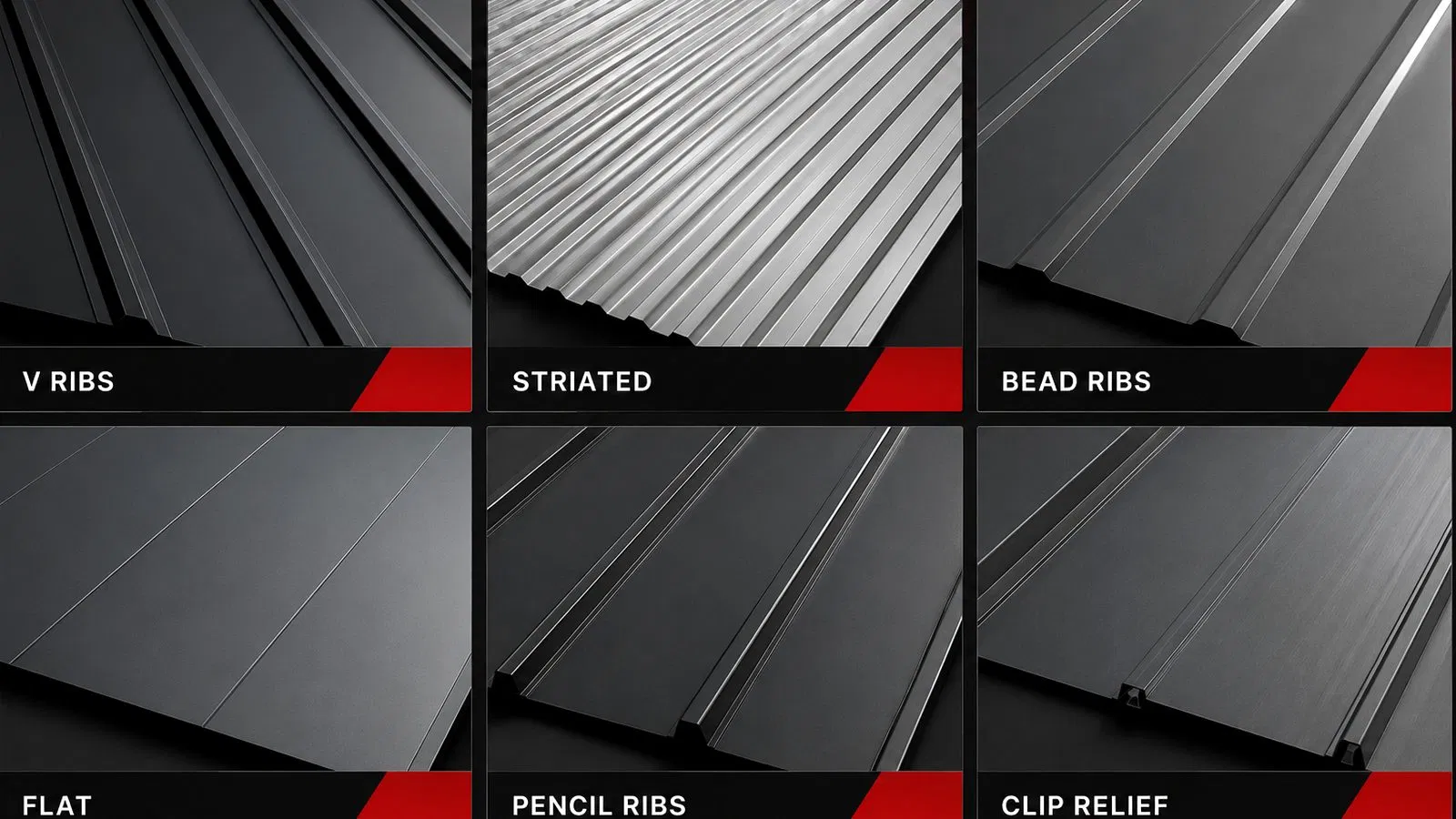
- Metal panel type. Standing seam panels with hidden fasteners cost more than exposed-fastener panels, but exposed screws and washers need periodic checking.
- Shingle line. Impact-resistant and cool-rated shingles cost more than standard architectural shingles.
If the up-front cost is what is holding you back from the material you really want, financing options can spread the payment out over time.
HOA approval in DFW neighborhoods
Many DFW subdivisions have architectural rules about roof materials and colors. Texas law gives homeowners some protection. Under Texas Property Code Section 202.011, an HOA generally cannot prohibit shingles that are designed to be wind and hail resistant, provide heating and cooling efficiencies, or provide solar generation, as long as they resemble the shingles used or allowed in the subdivision, are more durable than and equal or superior in quality to those shingles, and match the look of the surrounding properties.
That section is written about shingles. A standing seam metal roof may not get the same protection, so your HOA's normal approval process and rules apply. Before you sign a contract, get the HOA's written approval for the specific product and color. Your roofer can usually provide product sheets and color samples for the application.
Which one fits your home?
Architectural shingles are usually the better fit if:
- You want the lowest up-front cost.
- You may sell the home within the next several years.
- Your HOA has strict rules on roof appearance.
Metal is usually the better fit if:
- You plan to stay long term and want fewer replacements.
- You want a Class 4 rated roof and lower heat gain from a cool-color finish.
- Your budget can handle a higher price now in exchange for a longer service life.
You can compare more options, including impact-resistant shingles, on our roof types page.
Get a side-by-side quote
The easiest way to decide is to see both options priced for your actual roof. Firewheel Roofing can measure your home, check ventilation and decking, and quote shingles and metal side by side so you can compare real numbers. Request a free estimate or call (469) 387-3848.
Frequently Asked Questions
Does a metal roof make a house cooler in Texas?
It can, if you choose a light or cool-pigment painted finish. The Department of Energy notes reflective roofs can stay more than 50°F cooler than conventional roofs on a sunny day. Unpainted or very dark metal does not offer the same benefit, and good attic ventilation still matters for any roof.
Will a Class 4 roof lower my homeowners insurance in Texas?
Possibly. The Texas Department of Insurance says insurers may offer discounts for impact-resistant roofing rated under UL 2218, but discounts are not required and each company sets its own amount and documentation rules. Call your agent before you buy so you know what your carrier offers and what proof it needs.
Can my HOA stop me from installing a metal roof?
It depends on your HOA's rules. Texas Property Code Section 202.011 protects certain impact-resistant, energy-efficient and solar shingles that match the neighborhood's look, but that section is written about shingles. For metal, follow your HOA's approval process and get written approval for the product and color before work starts.
How much more does a metal roof cost than shingles in DFW?
For a typical DFW home, architectural shingle replacement averages $8,000 to $15,000 and metal runs $14,000 to $28,000. Roof size, pitch, tear-off layers, decking repairs and the panel style all affect where your home falls. A free on-site estimate gives you exact numbers for both.
Keep reading
Get a Free Roof Inspection
Straight answers, no pressure. Serving Garland, Dallas & all of DFW.
Get My Free Estimate → 📞 (469) 387-3848